
Host
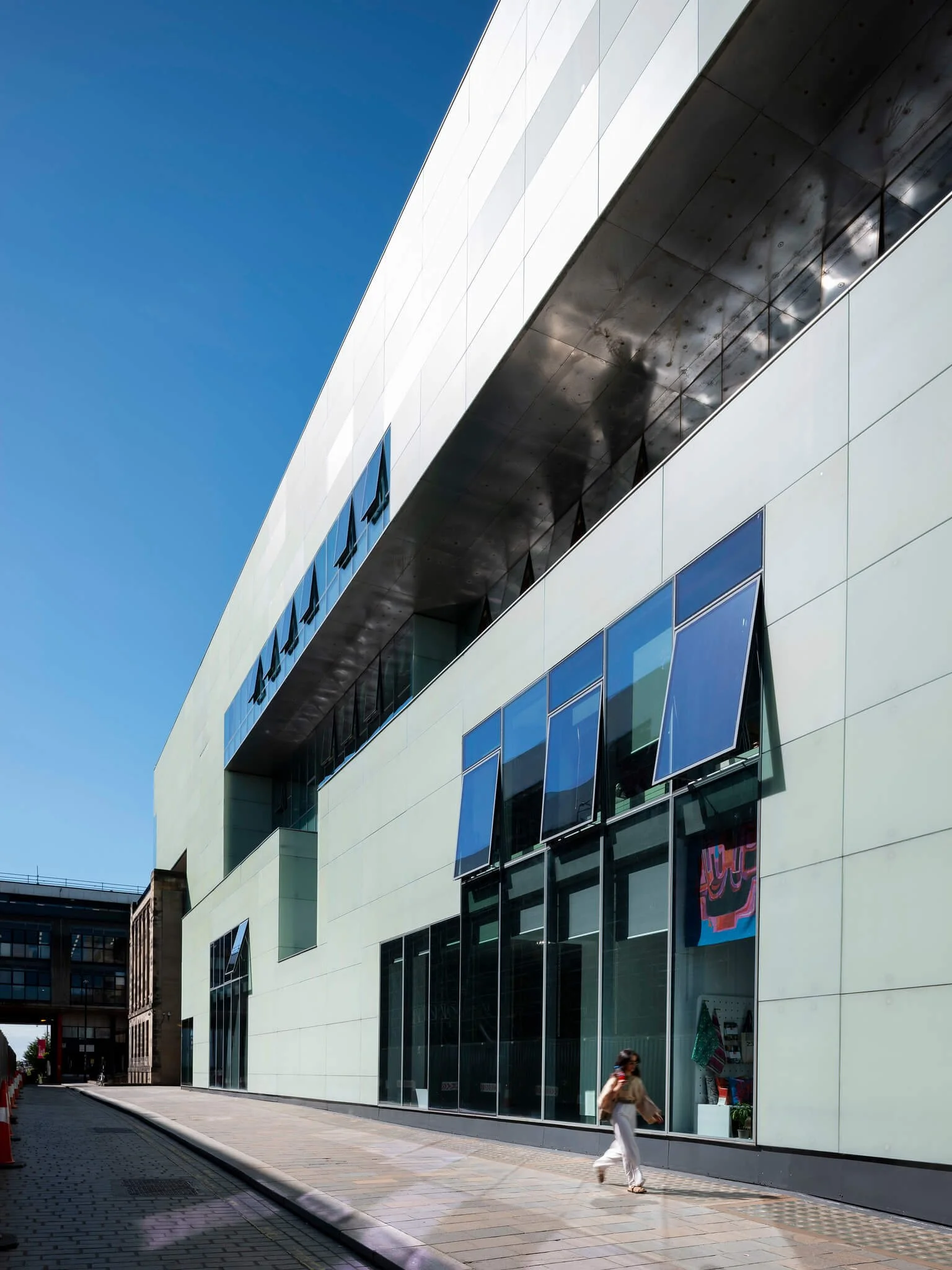
The Glasgow School of Art
The Glasgow School of Art (GSA) is internationally recognised as one of Europe's top university-level institutions in the visual creative disciplines. It is ranked 3rd in the UK and 8th in the world for art and design in the QS World University Subject Rankings 2026.
Based in the heart of Glasgow with connections across the globe, our studio-based teaching and world-leading research spans art, design, architecture, innovation and technology, making a significant difference to contemporary society.
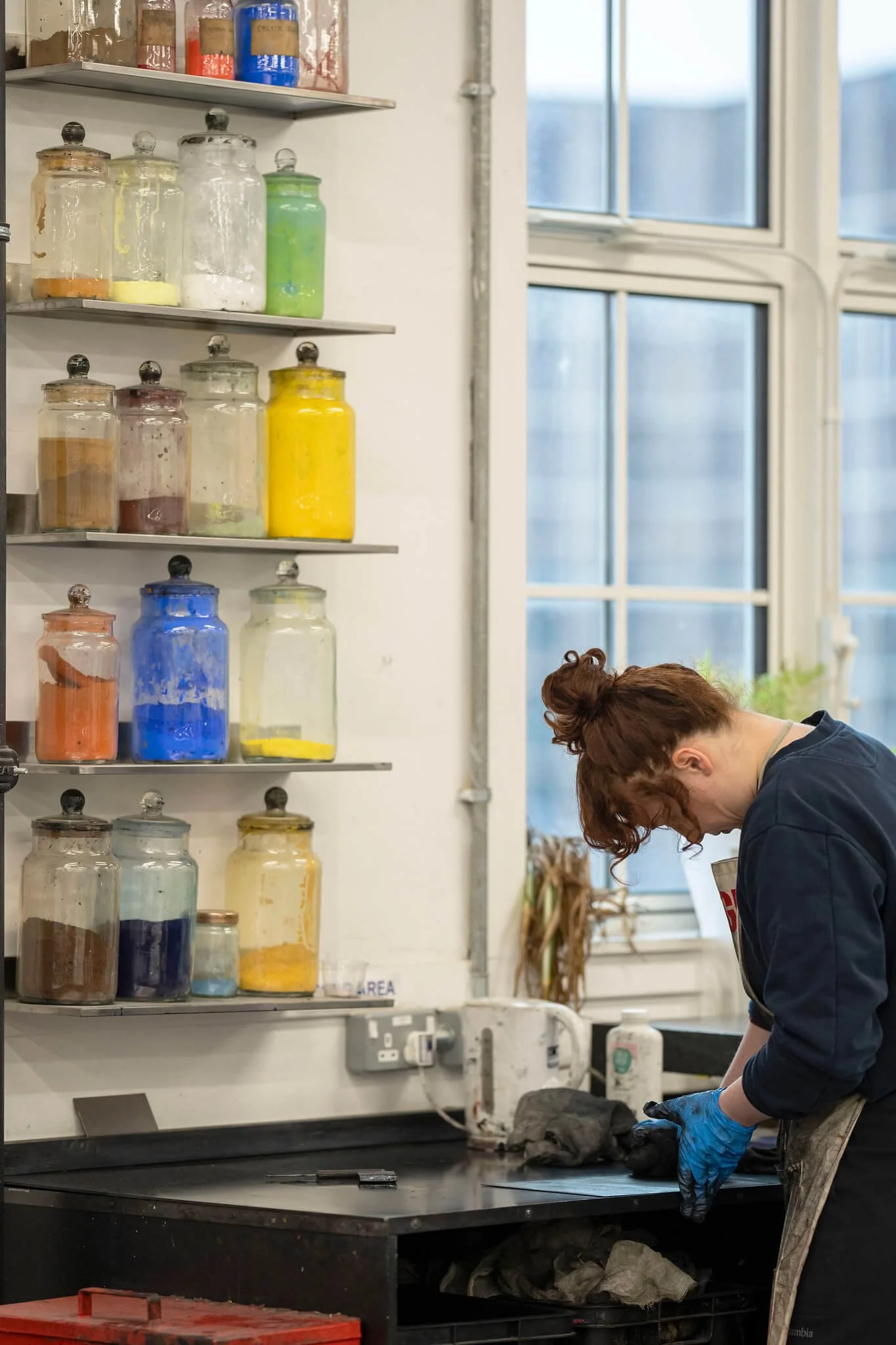
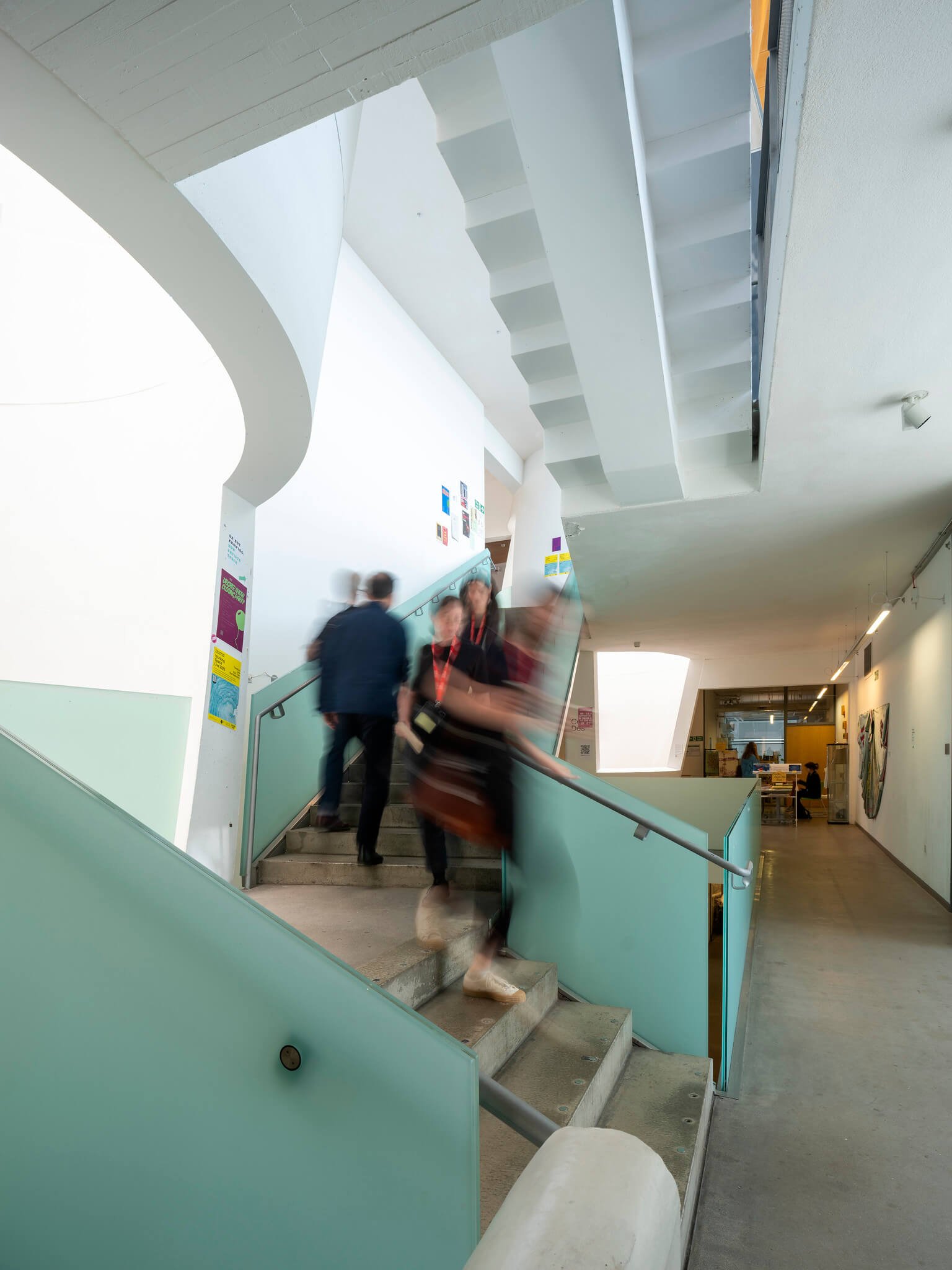
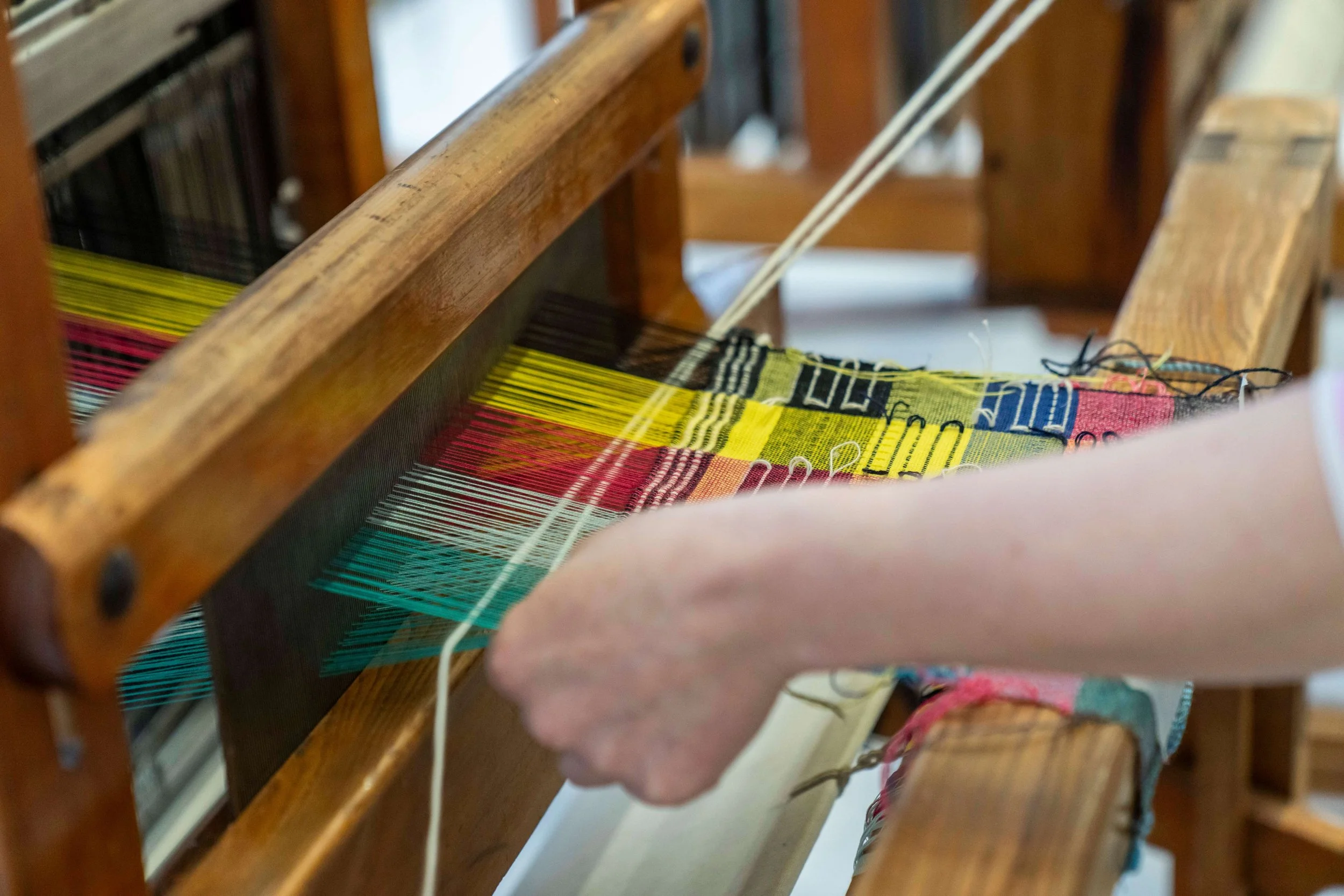
Founded in 1845, The Glasgow School of Art is one of the few remaining independent art schools in the UK. With a proven history of producing some of the world’s most influential and successful artists, designers and architects, the GSA’s studio-based specialist, practice-led education draws talented individuals with a shared passion and concern for visual culture from all over the world. The GSA is ranked 3rd in the UK and 8th in the world in the QS World University Subject Rankings 2026.
There is no GSA without Glasgow, and arguably no Glasgow of the past 150 years without the GSA. Walking around the city, you’ll spot the influence of the School and its graduates in its buildings, in its shop windows, and in its theatres, galleries, restaurants and record shops. The spirit of the city buzzes through its festivals, cultural institutions and events, but can also be found in more ad-hoc spaces, and in conversations between its creative residents. Although Glasgow is still very much the heart of the GSA, in recent years we have established an idyllic Highlands and Islands campus, as well as a representative office in China. We also maintain important connections and partnerships with institutions across Europe and the rest of the world, offering exchange opportunities and collaborating on projects with international students, tutors and practitioners. Our DNA can also be found in the footprints of our graduates, many of whom choose to stay in Glasgow as an important part of the city’s creative ecology, but who can also be found across the world, presenting, addressing, and finding innovative solutions to some of society’s most important questions.
Our studio-based approach to research and teaching is focused on developing intense specialisms alongside collaborative practice. Our studios are a site of interdisciplinarity, peer learning, critical enquiry and prototyping, where our students, tutors, and researchers address problems in new ways and find innovative solutions. Our links to other academic institutions, research partners, and the wider creative industries help us address many of the challenges confronting Glasgow and the wider world.
Founded in 1845
The GSA is home to a vibrant and collegiate community of research staff and students, founded on the principles of integrity, partnership and inclusivity. Grounded in peer mentoring and support, we foster an inclusive culture where we learn together and from one another. We are also committed to developing leadership at every career stage, to make sure this research environment remains sustainable well into the future. Our research spans the disciplines of creative practice and theory. Much of our staff and student research is interdisciplinary and connected to our themes of excellence: Sustainable Environment and Economies; Cultural Landscape and Identity; History Heritage, Archives and Collections; and Health and Care. At the heart of everything we do is a desire to connect through partnership. As a small specialist institution, we value and cultivate our networks, regularly working with others to develop research with impact.
Research
Strategic Research Themes
-
Shaping more sustainable futures is the most important project of our age, and researchers across GSA are exploring what role the creative disciplines will have when working towards it. Based within the Mackintosh School of Architecture (MSA), the Mackintosh Environmental Architecture Research Unit (MEARU), has an extensive track record of research and knowledge exchange in the field of low energy building design and performance, much of which is undertaken in partnership with architecture practices, housing providers and policymakers. Also within MSA, the Glasgow Urban Lab partners with Glasgow City Council to address the ecological, social and economic dimensions of local urbanism and placemaking, including through researcher Professor Brian Evan’s membership of the United Nations Economic Commission for Europe. Other research within this theme includes the School of Innovation and Technology partnership in One Ocean Hub, which addresses the urgent challenges facing our oceans, the School of Innovation and Technology's research on creative economies in cities and the Scottish islands, and GSA-wide work interrogating inequalities and social injustice.
-
Responding to our personal and cultural relationships to place, this theme encompasses a range of distinctive research in which creative practice plays a central role. It embraces the Reading Landscape group based in the School of Fine Art, and also includes research at the intersection of this field and Sustainable Environment and Economies, such as Amanda Thomson’s book A Scots Dictionary of Nature. Questions around contested social and political landscapes, migration, human displacement and explorations of self are also addressed in this theme.
-
Research within this theme draws extensively on archives and collections – including the GSA’s own – to unlock new knowledge on diverse subjects, from Scotland’s textile design heritage to feminist perspectives on museum collections. Our research community’s work in this field also includes the collaborative conservation of archaeological heritage assets, and individually led explorations of public heritage ranging in focus from architectural taxonomies and historic monuments to street furniture and shipbuilding. Our contribution to this field is often unlocked thanks to scholarly networks and partnerships.
-
GSA’s leading research in health and care is focused on the user experience of the healthcare ecosystem, encompassing carers, clinicians and patients. Characterised by an interdisciplinary, team-based approach, the research is often carried out by deploying co-design methods in clinical and community settings – as with the Innovation School’s key role in the DigitalHealth & Care Innovation Centre, in partnership with University ofStrathclyde. In 2018, School of Design researcher Professor Alastair Macdonald received an Arts and Humanities Research Council (AHRC)/Wellcome Health Humanities Award for his work in this field, including a series ofAHRC-funded projects addressing hospital-acquired infections and resistance through design. In the field of Medical Visualisation, researchers at the School of innovation and Technology developed the pioneering Definitive Human: a highly accurate, 3D digital interactive model of the entire human anatomy for use in anatomy teaching.
Our four interdisciplinary strategic research themes build on the existing strengths and specialist interests of our research community. The aim of the themes is to consolidate learning across the GSA, to support the cross-fertilisation of knowledge, and to generate opportunities for new partnerships. Each theme is underpinned by high-quality research, produced by a critical mass of our research staff and students. All themes are attached to projects with external funding, as well as aligning with United Nations Sustainable Development Goals, allowing us to produce research that is truly impactful in the here and now.
Cumulus Association
The Cumulus Association is the leading global association of art and design education and research.
Cumulus represents a dynamic ecosystem for internationalization and global mobility, knowledge exchange, and collaboration in art and design pedagogy, research, and practice. The 395 Cumulus member institutions are leading the way in art and design education around the world. Originating from 71 countries, they demonstrate the importance of collaboration in a 21st century higher education landscape that is increasingly complex and global.